
How Long Does HDPE Outdoor Furniture Last?
The longevity of your patio furniture depends on the material you choose. Outdoor furniture takes more abuse than most buyers expect. Sun, rain, foot traffic, and constant year-round use push every material to its limit. That leads to the same question every season: which pieces stay strong, and which ones fade fast? This guide breaks it down with a clear look at high-density polyethylene (HDPE), wood, metal, and wicker, so you can invest in furniture that lasts and avoid the cycle of early replacements.
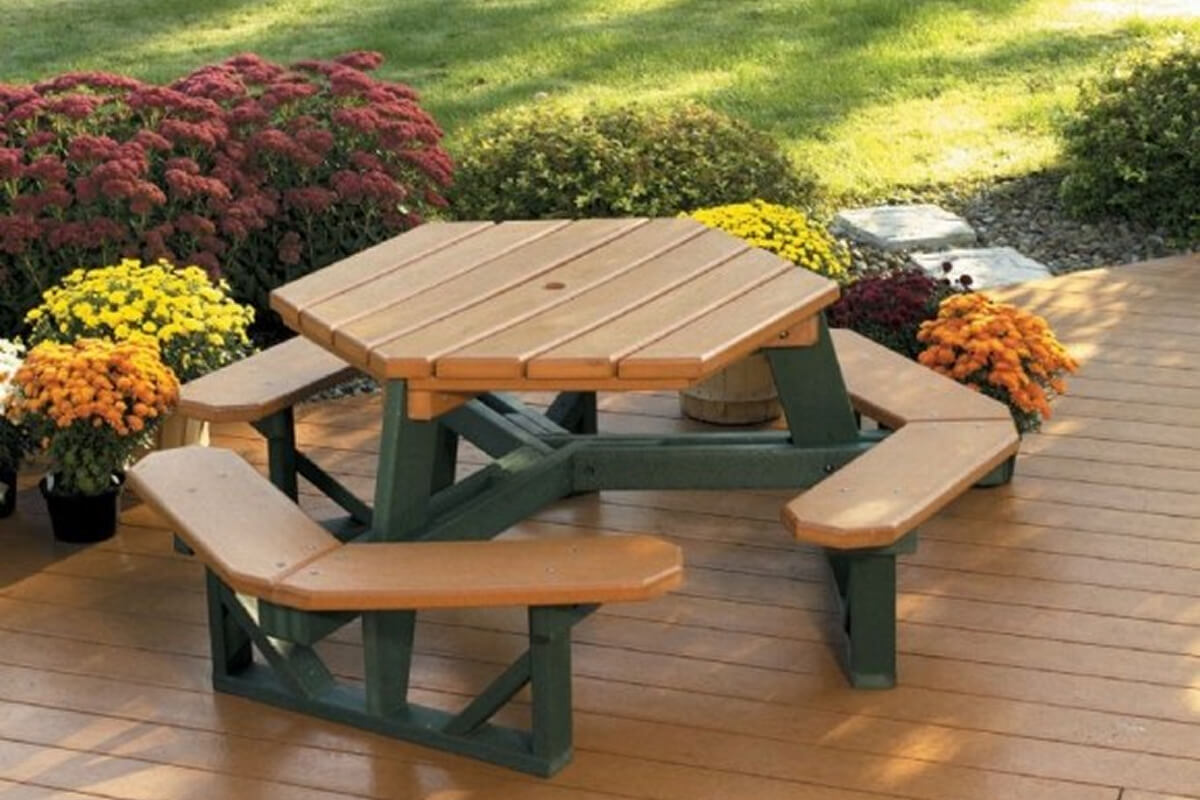
Table of Contents
Why Buyers Keep Asking: “How Long Does Patio Furniture Last?”
The lifespan of outdoor furniture sits at the top of every buyer's mind for a reason. No one wants a table that fades after one summer or a bench that cracks once temperatures swing. Public spaces, school grounds, and busy backyards need pieces that stay solid through constant use and shifting weather. When furniture starts breaking down too fast, it drains budgets and forces another round of shopping long before anyone planned for it.
HDPE enters the conversation because buyers want a material that handles real-life exposure without turning into another short-term purchase. Once people see how long HDPE holds its color and structure, the question shifts from “How long does patio furniture last?” to “Why isn't everything made from this?”
The Real-World Problems With Wood, Metal, and Wicker
Wood, metal, and wicker all bring their own strengths, but none of them hold up well once they face year-round exposure. Wood absorbs moisture and swells, then dries out and cracks. Even treated lumber starts to splinter once sun and rain take their turns. Metal furniture handles weight well, but rust forms fast once the coating wears thin. One scratch is all it takes for corrosion to spread through the frame.
Wicker looks great on day one, but the weave breaks down under steady sun. Strands grow brittle and eventually snap. The surface loses its shape, and the piece loses its comfort. These materials demand steady upkeep, like sanding, repainting, tightening hardware, and replacing broken strands, just to keep them functional. That cycle pushes buyers to look for alternatives that stay intact without constant attention.
Why Durability Drives Every Outdoor Purchase
Outdoor furniture takes daily punishment, and buyers feel that pressure every time they need to outfit a park, campus, patio, or shared space. These areas never stay still. Kids climb on benches, guests drag tables across concrete, and weather hits from every direction. If the furniture can't handle that kind of pace, it ends up on a replacement list long before the budget allows for it.
Schools want seating that survives recess and lunch crowds. Parks want pieces that stand firm through storms and seasonal traffic. Homeowners want furniture that still looks sharp after years of sun and weekend gatherings. In every case, durability determines whether the purchase becomes a long-term fixture or another short-lived experiment.
That steady demand for reliability pushes buyers toward materials built for real exposure, furniture that doesn't bow, peel, crack, or collapse after a handful of seasons. This is where HDPE starts separating itself from the pack.
What Kind of Outdoor Furniture Lasts the Longest?
HDPE furniture is the clear winner in the longevity game, but choosing outdoor furniture starts with understanding how each material behaves. Some pieces look great on day one but break down fast once the weather shifts or usage picks up. A clear comparison helps buyers see why some options last for years while others struggle to make it through a single season.
Material Comparison: Understanding Strength vs. Longevity
Every material brings a different promise to the table, but only some deliver long-term performance. Wood offers a familiar, classic look, yet it softens when humidity spikes and contracts once the air dries out. Those constant swings take a toll on joints and surfaces. Metal jumps to the front for strength, but once the finish chips, moisture works its way in and corrosion spreads fast. Wicker adds texture and style, though it rarely survives seasons of direct sunlight without sagging or breaking.
Each option brings something useful, but none check all the boxes for buyers who want furniture that stays solid year after year. This is why HDPE draws so much attention. The material doesn't absorb moisture, doesn't splinter, and doesn't crack when temperatures swing. It stays stable and dependable long after wood, metal, and wicker start falling apart.
HDPE and Its Built-In Advantages
Recycled HDPE stands out because it solves the problems that break down other materials. It doesn't absorb water, so it won't swell, rot, or grow mold. It doesn't splinter, fade, or weaken under steady sun. HDPE lumber maintains its color through the entire piece, so it keeps its look without paint or stain. That alone puts HDPE miles ahead of wood, metal, and wicker in long-term durability.
The structure of HDPE gives it real strength. It handles year-round exposure and constant movement without losing stability. Heavy rain, salty air, and intense heat don't shake it. Crews don't need to chase loose hardware or touch up worn finishes, and property managers and homeowners don't have to consider seasonal repairs. HDPE simply keeps its shape and performance through it all.
Where HDPE Outperforms Other Options
HDPE handles the kinds of challenges that break down other materials fast. Areas with constant movement, like school yards or city parks, put pressure on every joint and surface. HDPE stays stable under that kind of strain because the material doesn't weaken after repeated impact or shifting weight. It absorbs everyday use without wearing thin.
Beyond strength, HDPE keeps its finish intact even in spots that see nonstop sunlight. Other materials fade or lose their surface texture, but HDPE keeps a consistent look across seasons.

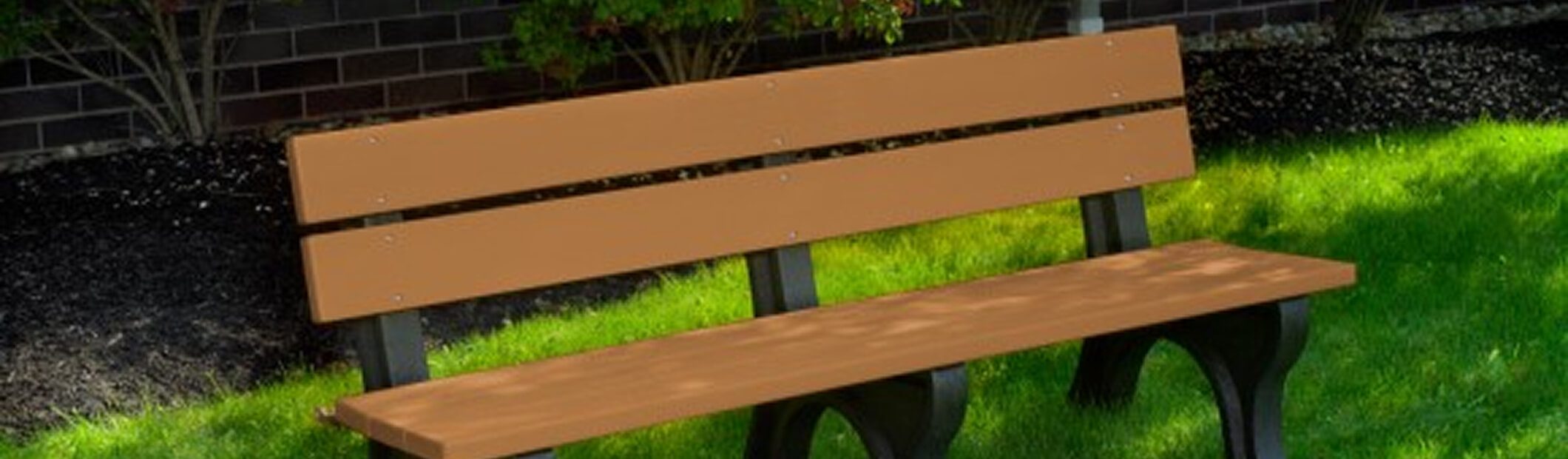
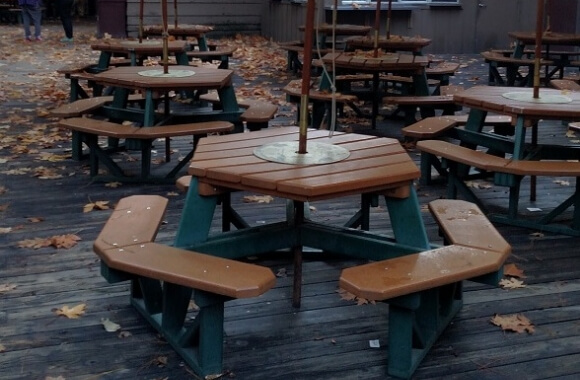
That reliability matters in public spaces where furniture helps set the tone and needs to look sharp no matter how often it's used. Bright Idea Shops' picnic tables and park benches show that durability doesn't have to come at the expense of appearance.
What Outdoor Furniture Holds Up the Best in Harsh Conditions?
HDPE furniture earns its reputation in places where weather hits hardest. Coastal areas deal with salty air that chews through metal finishes, but HDPE shrugs it off without corroding. Mountain towns face long freeze cycles that split wood and tighten hardware until it fails, yet HDPE keeps its shape without cracking. Hot, dry regions push wicker past its limit, but HDPE stays firm instead of turning brittle.
The material performs the same way in every climate because it doesn't absorb moisture, doesn't react to temperature shifts, and doesn't rely on paint or surface coatings to stay intact. That makes it a dependable choice for schools, parks, resorts, and public spaces where furniture needs to handle stress without losing strength or visual appeal.
The Longest-Lasting Outdoor Furniture Material for Public and Commercial Spaces
HDPE stands at the top of the list for long-term performance because it keeps its structure and color through years of daily use. Public spaces push furniture harder than almost any other environment, and HDPE handles that pace without wearing down. Its density prevents bending, its color stays vibrant, and its surface stays smooth even after constant contact.
Schools, parks, and commercial properties get the most value from materials that don't quit early, and HDPE delivers that kind of staying power. Instead of dealing with repairs or rotating out pieces every few seasons, teams can rely on furniture that stays strong and presentable long after wood, metal, and wicker start breaking down. That's why HDPE continues to rank as the longest-lasting outdoor furniture material for high-traffic environments.
Warranty Confidence and Longevity Proof
Strong warranties say as much about a material as the material itself. Manufacturers only stand behind furniture that holds up, and recycled HDPE gives them plenty of confidence. Our plastic lumber manufacturer's 50-year warranty guards against damage from termites and fungal decay. Long-term coverage shows that the furniture stays dependable far beyond the first few seasons of use. That kind of backing gives buyers clarity about what they're investing in.
Schools, parks, and commercial properties often plan years ahead, so they need furniture that won't fail halfway through a budget cycle. HDPE fits that need because its performance lines up with the protection behind it. When a warranty spans years instead of months, it signals real stability, not marketing talk. This is the reassurance most buyers look for once they start comparing materials.
How to Choose Furniture That Won't Wear Out
Picking long-lasting furniture starts with checking the material first. Look for pieces that don't rely on coatings or surface treatments to stay intact, and steer clear of anything that absorbs moisture or breaks down under steady sun. Strong hardware and sturdy construction matter too, since loose joints and thin fasteners shorten the lifespan of any piece, no matter what it's made from.
Buyers also need to look at how the furniture handles movement and daily contact. Public spaces, campuses, and busy patios put weight and pressure on every part of a bench or table. The right choice stays solid without bending or sagging. When all of those boxes line up, the furniture holds its value and performs the way a long-term investment should.
Explore HDPE Options That Deliver Years of Performance
HDPE gives buyers a clear path to outdoor furniture that lasts, and Bright Idea Shops offers numerous pieces built from this dependable material. Organizations that want long-term value can look through our HDPE lineup and see how each piece is ideal for busy parks, active school grounds, public spaces, and commercial properties without adding extra work for maintenance crews. The right material makes all the difference, and HDPE proves it year after year.
Shop NowFrequently Asked Questions
Is HDPE furniture suitable for backyards?
Absolutely. Because HDPE handles direct sun, rain, and heavy use without breaking down, it's a strong fit for busy backyards. It keeps its color, stays smooth, and doesn't demand the kind of seasonal upkeep wood or metal need, so homeowners get long-term value without extra work.
Does HDPE get too hot in the sun?
HDPE warms up like any outdoor material, but it cools down quickly once it's out of direct sunlight. The surface doesn't trap heat the way metal does, and it never reaches the point where it becomes uncomfortable to use.
How do you store HDPE furniture during winter?
HDPE doesn't require special winter storage. It holds its shape in freezing temperatures, and moisture won't damage it. Some buyers store pieces simply to clear space, but the furniture doesn't depend on shelter to survive winter conditions.
Related Articles
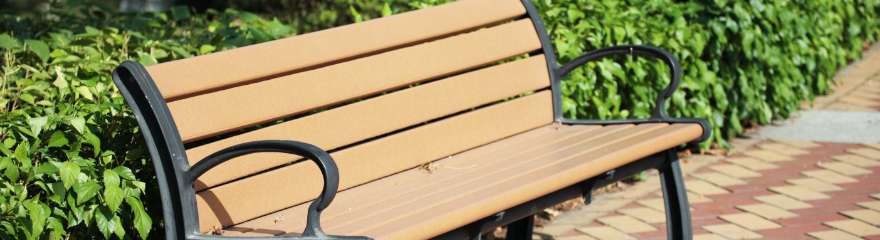
Get an in-depth look at how suitable HDPE furniture is for commercial patios and parks.
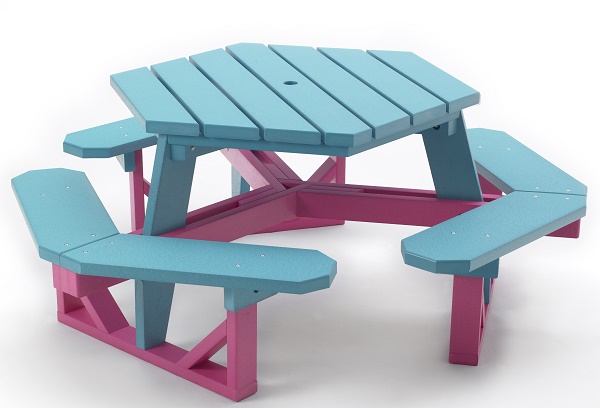
See how the long-term costs of plastic lumber compare to wood, plastic-coated steel, and concrete.
Discover how custom HDPE outdoor furniture can complement any setting.